Skip to content
Chef-friendly methods: finishing, infusion, portioning, and storage

Culinary Uses for Irish Truffles

Truffle is easiest to work with when you treat aroma as the main ingredient. Heat, time, and fat decide whether fragrance is clear or lost. This guide explains practical techniques we recommend at Alaviro, written for real service constraints. You will find steps that reduce waste, keep aroma intact, and help you plan portions for plates, tasting menus, and private dinners.

Most common mistake
Too much heat
Hard cooking can mute aroma; finish warm, not boiling.
Best carrier
Fat + warmth
Butter, egg yolk, cream, and mild oil help fragrance bloom.
Ideal workflow
Service-ready
Shave last, serve immediately, and portion with restraint.
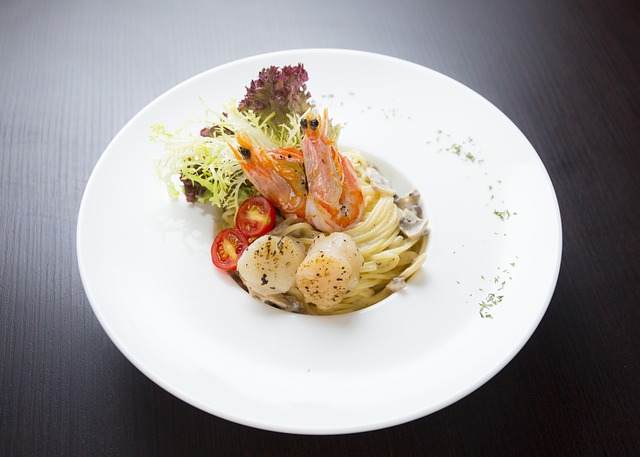
gourmet dish close-up with shaved truffles on pasta in dark fine dining setting with gold accents
Finish with intent
Aroma first

A simple base and careful heat let truffle read clearly on the palate. Avoid competing spice and heavy smoke.

Quick pairing

Egg + butter + truffle

Soft heat, then shave to finish and serve immediately.

Quick portion

Start modest

A small, even shave often feels more luxurious than a heavy dose.

Images are illustrative. Specific aroma and performance vary by season and batch.

Core methods

The methods below are designed to be repeatable. They treat truffle like a finishing perfume: protect it from harsh heat, combine it with a suitable carrier, and aim for immediate service. Use these steps as a baseline, then adjust based on the specific variety profile you have on hand. If you are unsure, ask for variety guidance and we will share what we know about the current season.

Finishing

Shave at the pass

Warm food carries aroma upward. Keep the dish hot enough to bloom fragrance, but not so hot that steam strips it away. Shave thin and even for a clean mouthfeel.

  1. 1Warm the plate and finish the sauce first.
  2. 2Shave over the dish immediately before it leaves the kitchen.
  3. 3Serve straight away; avoid holding under high heat.

Pairs well with

Egg yolk, butter, cream, mild cheeses, potato, fresh pasta, risotto.
Control

Cold infusion

Infusion helps you dose evenly across a service and avoids over-shaving. Keep it cold and short-lived. Use the infused fat to finish, not to sear.

  1. 1Clean exterior gently with a soft brush and dry paper.
  2. 2Store with butter or mild oil in a sealed container in the fridge.
  3. 3Use the infused fat within a few days for best aroma.

Where it shines

Finishing sauces, folding through mashed potato, brushing onto warm bread, topping simple fish.

Heat

Gentle warmth

If you need to incorporate truffle into a warm element, choose low heat and short time. Think of it as steeping: enough warmth to release fragrance, not enough to cook it hard.

  1. 1Warm your carrier fat gently off the boil.
  2. 2Add truffle late and keep the temperature modest.
  3. 3Finish the dish and serve promptly.

Avoid

High-heat pan frying, long reductions, and holding truffle in hot bain-marie.

Portioning and menu planning

Luxury is often about balance. The most satisfying truffle dishes do not overwhelm. Instead, they deliver a clear aroma that stays pleasant through the last bite. For that reason, we encourage portioning that starts modest and scales only when the dish is designed around truffle as the main theme.

For events and tasting menus, think about where truffle will land in the sequence. Early courses can carry lighter portions with bright acidity; later courses may support a richer carrier like butter or cream. Keep the plating workflow simple: shave at the pass or tableside, and avoid holding finished plates where aroma can dissipate.

Planning support

If you tell us your menu style and number of covers, we can suggest a realistic approach to portioning and timing. We only ask for details needed to respond and we do not use your enquiry for unsolicited marketing.

Discuss your menu
macro close-up of truffle shavings falling onto warm risotto with deep green and gold tones

Aroma timing

The moment between shaving and the first bite matters. Build your service so truffle hits the table promptly.

Menu structure

One signature course

Better than scattering tiny amounts across multiple dishes.

Workflow

Shave in a calm step

Assign one station to finishing so quality stays consistent.

Storage and handling

Fresh truffle changes quickly. Storage is about slowing that change without trapping moisture. Keep truffle dry, cool, and protected from strong odours. For most kitchens, the simplest approach is also the safest: gentle brushing, dry wrapping, and daily checks. If the exterior is damp, address it early with fresh paper and airflow in a sealed container.

Avoid soaking truffle in water. If cleaning is needed, use a dry brush first. Only use minimal moisture when absolutely necessary, then dry thoroughly. If you want to infuse, do it in the fridge and treat the infused butter or oil as a short-lived finishing component.

Safety note

Truffles are a food product. Follow your kitchen's food safety procedures and discard anything with off odours, visible spoilage, or unusual slime. If you are serving to guests with allergies, confirm ingredients in accompanying sauces and carriers.

Day 1 arrival

Set yourself up for service

  • Inspect firmness and aroma in a clean, neutral area.
  • Brush off loose soil; avoid washing unless necessary.
  • Wrap in dry paper, store in a sealed container in the fridge.

Daily routine

Keep it dry, keep it calm

  • Replace paper if damp; moisture is the main enemy.
  • Keep away from strong foods that can transfer odour.
  • Plan service early; aroma is best when used promptly.
macro of forest soil and moss with truffle partially revealed in deep green and gold lighting

Respect the ingredient

Truffles carry the scent of their environment. Handling should be gentle and minimal so you preserve what makes them special: clean fragrance, texture, and a sense of place.

A simple home dinner plan

If you are cooking at home, aim for one dish that showcases truffle with minimal complexity. Choose a base with gentle richness and avoid strong competing flavours. A soft egg dish, a buttered pasta, or a creamy potato preparation lets truffle read clearly. Prepare everything first, then shave at the end so you can serve without delay.

Keep expectations grounded: truffle aroma is natural and varies. The goal is a clean scent and a balanced plate. If you want help choosing a variety for your menu, contact us and we will recommend what fits your plan and what is actually available in season.

Home workflow checklist

Use this as a simple sequence. It keeps the final moments calm so you can shave and serve while aroma is strongest.

Before cooking

  • Brush truffle gently, keep it dry.
  • Warm plates if possible.
  • Prepare shaving tool and a clean board.

At the end

  • Finish dish, then remove from high heat.
  • Shave thinly and evenly.
  • Serve immediately and enjoy aroma first.

For availability and planning, contact us. We respond to enquiries using the details you provide. Read our Privacy.

Contact Alaviro